Hotline: 096 779 3398 Email: [email protected]
40 SKUs

Bumping hammer

Showing 1-25 10 views

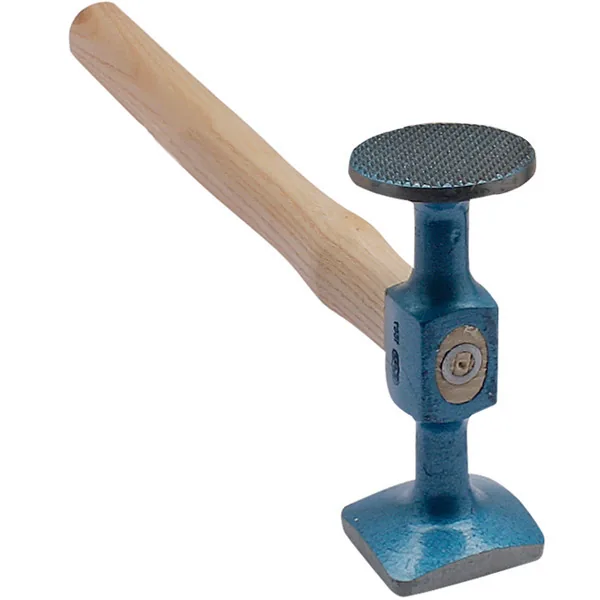
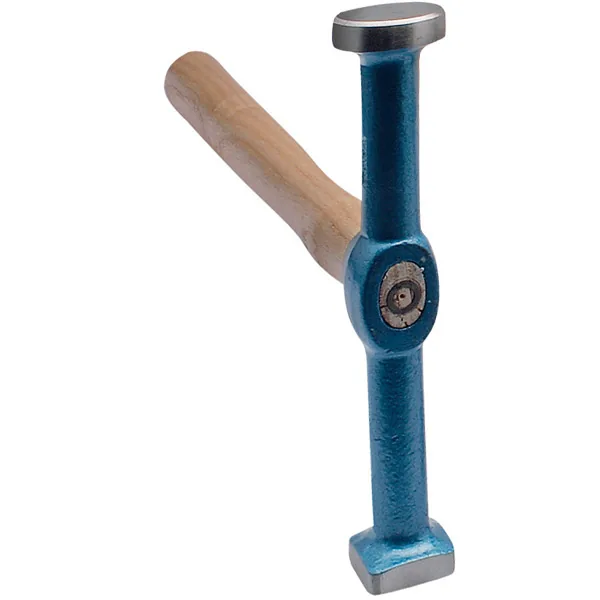
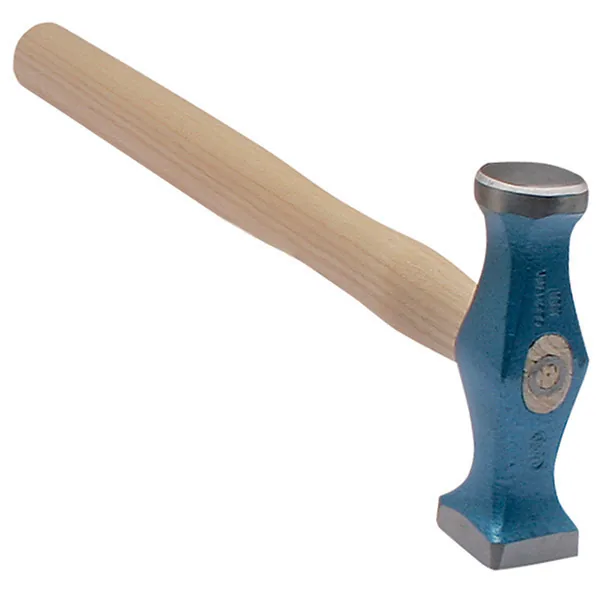
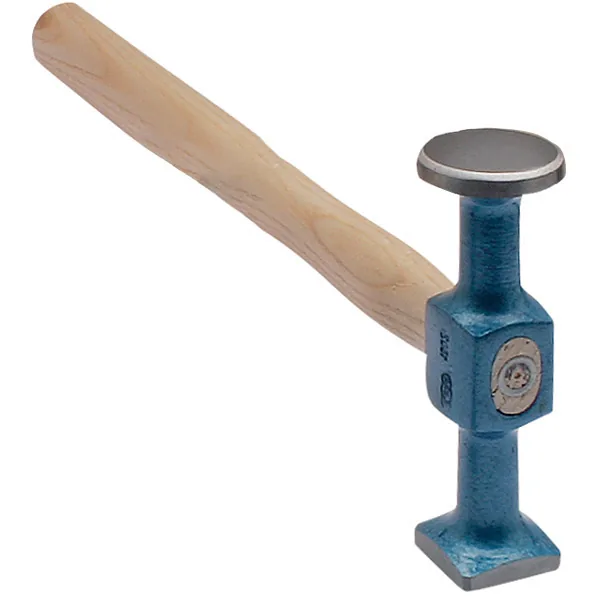
Bumping hammers are used for straightening, shaping and restoring metal body panels in automotive repair workshops. The product group includes bumping hammers, hand dollies, body spoons and specialized support tools. Double-ended hammers with pointed faces such as 1609 create curves or flatten small areas. Hand dollies 1622 support from behind when the hammer strikes from the front, transmitting force steadily. Combo sets 1650S6 and 1650S12 integrate from 6 to 12 pieces for large-scale workshops. C45 steel material ensures hardness and long-lasting impact resistance. Polished working surfaces prevent scratching the paint layer. Genuine ELORA products imported from Germany, warranted according to manufacturer standards.

Drag product cards to reorder this category. Release to save immediately.
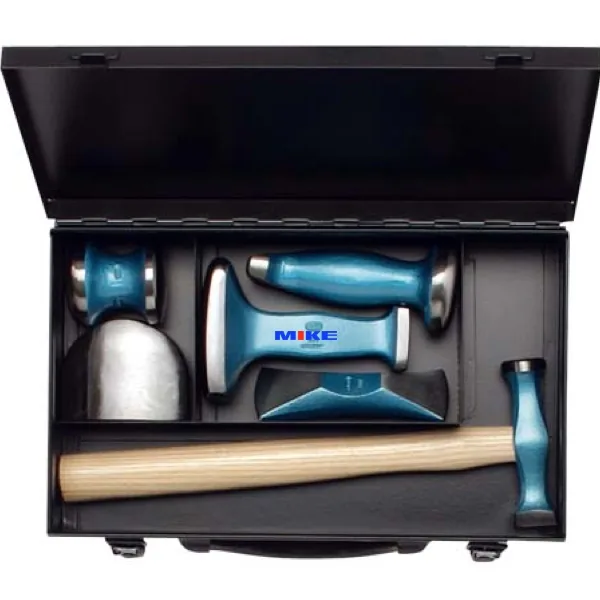
Bộ búa làm đồng 6 chi tiết ELORA 1650S6, chuyên dụng nắn chỉnh
1650S6
Bộ búa làm đồng 6 chi tiết ELORA 1650S6, chuyên dụng nắn chỉnh
€633.84
★ 0 • Sold 17
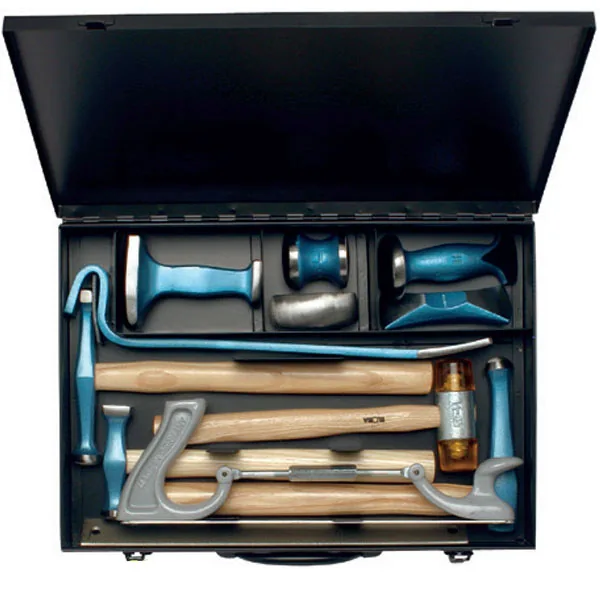
Bộ đe và búa làm đồng 12 món ELORA 1650S12
1650S12
Bộ đe và búa làm đồng 12 món ELORA 1650S12
€1,100.88
★ 0 • Sold 2
ELORA 1614 bumping hammer, two round faces 40 x 30 mm, ash handle
1614
ELORA 1614 bumping hammer, two round faces 40 x 30 mm, ash handle
€67.02
★ 0 • Sold 0
ELORA 1613 fender bumping hammer Ø28 mm, ash handle
1613
ELORA 1613 fender bumping hammer Ø28 mm, ash handle
€66.72
★ 0 • Sold 0
ELORA 1619 combination mallet and bumping hammer, replaceable rubber face Ø55 mm
1619
ELORA 1619 combination mallet and bumping hammer, replaceable rubber face Ø55 mm
€121.63
★ 0 • Sold 0
Búa đẩy và uốn các bộ phận thân vỏ ô tô. Elora 1649
1649
Búa đẩy và uốn các bộ phận thân vỏ ô tô. Elora 1649
€167.40
★ 0 • Sold 0
Body Spoon heavy ELORA 1647, chuyên làm đồng cho ô tô
1647
Body Spoon heavy ELORA 1647, chuyên làm đồng cho ô tô
€105.99
★ 0 • Sold 0
Cây cạy ELORA 1648 chuyên dụng làm đồng cho ô tô
1648
Cây cạy ELORA 1648 chuyên dụng làm đồng cho ô tô
€150.12
★ 0 • Sold 0
Chequered tightening spoon ELORA 1646, chuyên làm đồng cho ô tô.
1646
Chequered tightening spoon ELORA 1646, chuyên làm đồng cho ô tô.
€90.07
★ 0 • Sold 0
Muỗng làm đồng cho ô tô 270 x 30 x 18mm. Elora 1645
1645
Muỗng làm đồng cho ô tô 270 x 30 x 18mm. Elora 1645
€73.39
★ 0 • Sold 0
Búa nắn tôn ELORA 1607 làm đồng xe Bumping hammer.
1607
Búa nắn tôn ELORA 1607 làm đồng xe Bumping hammer.
€101.01
★ 0 • Sold 0
Bumping hammer ELORA 1608 làm đồng xe hơi
1608
Bumping hammer ELORA 1608 làm đồng xe hơi
€73.39
★ 0 • Sold 0
Búa làm đồng ELORA 1601, 1 đầu vuông 1 đầu tròn, vật liệu thép C45
1601
Búa làm đồng ELORA 1601, 1 đầu vuông 1 đầu tròn, vật liệu thép C45
€66.72
★ 0 • Sold 0
Bumping hammer ELORA 1602, làm đồng xe hơi của Germany
1602
Bumping hammer ELORA 1602, làm đồng xe hơi của Germany
€63.12
★ 0 • Sold 0
Cây nạy ELORA 1651 chuyên làm đồng cho ô tô
1651
Cây nạy ELORA 1651 chuyên làm đồng cho ô tô
€66.72
★ 0 • Sold 0
ELORA 1615 double bumping hammer, round face Ø33 mm and 36 x 10 mm face, ash handle
1615
ELORA 1615 double bumping hammer, round face Ø33 mm and 36 x 10 mm face, ash handle
€70.06
★ 0 • Sold 0
ELORA 1618 bumping hammer, round face Ø30 mm and 25 x 5 mm face, ash handle
1618
ELORA 1618 bumping hammer, round face Ø30 mm and 25 x 5 mm face, ash handle
€63.48
★ 0 • Sold 0
ELORA 1609 dinging hammer, faces Ø40 and Ø18 mm, ash handle
1609
ELORA 1609 dinging hammer, faces Ø40 and Ø18 mm, ash handle
€0.00
★ 0 • Sold 0
ELORA 1612 pick hammer, round face Ø40 mm and flat pick 20 x 3 mm, ash handle
1612
ELORA 1612 pick hammer, round face Ø40 mm and flat pick 20 x 3 mm, ash handle
€86.74
★ 0 • Sold 0
ELORA 1610 pick and finishing hammer, faces Ø40 and Ø10 mm, ash handle
1610
ELORA 1610 pick and finishing hammer, faces Ø40 and Ø10 mm, ash handle
€0.00
★ 0 • Sold 0
ELORA 1611 pick hammer special shape, face Ø40 mm and long pick, ash handle
1611
ELORA 1611 pick hammer special shape, face Ø40 mm and long pick, ash handle
€74.43
★ 0 • Sold 0
ELORA 1616 embossing hammer, face Ø40 mm and pick, 400 mm ash handle
1616
ELORA 1616 embossing hammer, face Ø40 mm and pick, 400 mm ash handle
€97.65
★ 0 • Sold 0
ELORA 1619E spare rubber face Ø55 mm for bumping hammer 1619
1619E
ELORA 1619E spare rubber face Ø55 mm for bumping hammer 1619
€24.72
★ 0 • Sold 0
ELORA 1624 fender dolly 68 x 54 x 68 mm
1624
ELORA 1624 fender dolly 68 x 54 x 68 mm
€118.70
★ 0 • Sold 0
ELORA 1627 curved dolly 145 x 52 mm
1627
ELORA 1627 curved dolly 145 x 52 mm
€76.09
★ 0 • Sold 0

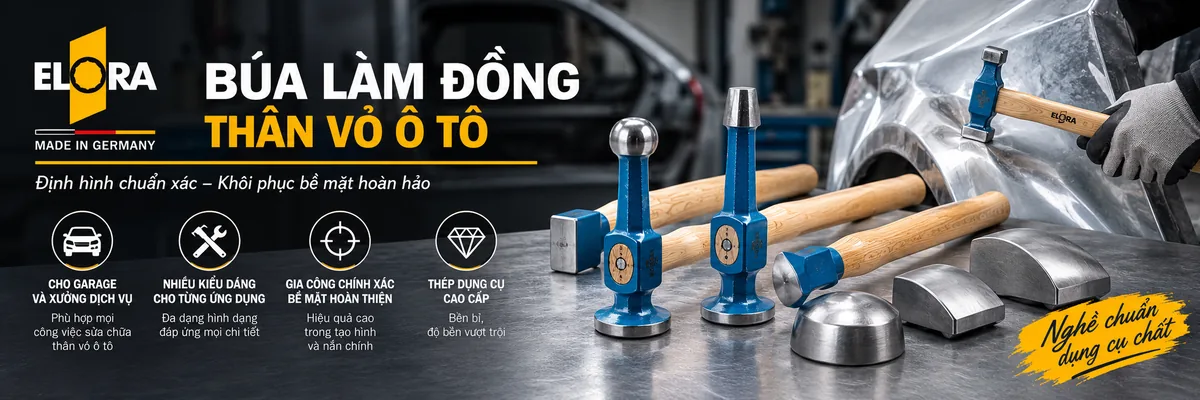
Automotive body hammers serve the needs of straightening, shaping, and restoring metal body panels in auto repair shops. This product group includes many types of specialized hammers, hand dollies, and support tools, each serving a specific step in the metalworking process. Bumping hammers help push and bend dented metal surfaces after collisions. Hammers with flat and pointed ends support creating curves or flattening small areas.

bua de lam dong ELORA garage.png

Hand dollies act as backing support when the hammer strikes from the front, transmitting stable force and reducing unwanted deformation. Tools such as body spoons, prybumping spoons, and bending irons add the ability to pry, straighten, and shape details on thin panels. The common manufacturing material is C45 steel, ensuring hardness and long-lasting impact resistance. Working surfaces are typically ground smooth to avoid scratching the paint or base metal.

The product group ranges from individual hammers to multi-piece combo sets, suitable for both small shops and large-scale maintenance centers. Choosing the right hammer and dolly depends on the thickness of the metal sheet, the location of the dent, and the specific straightening technique the technician applies.

Classification by hammer head shape

The hammer head shape determines how force is distributed across the metal surface and what type of deformation can be created. A hammer with one square end and one round end like 1601 combines two functions: the square end flattens wide areas, the round end concentrates force on a small point to create convexity or straighten corners. A hammer with one flat end and one tapered end like 1612 allows comprehensive flattening at the flat end and gentle bending at the tapered end.

A hammer with one flat end and one pointed end like 1609 with Ø40mm diameter is suitable when creating sharp convex points or straightening narrow areas between two panels. A double round-end hammer sized Ø28-55mm like 1613 focuses on creating continuous curves over large areas. Each hammer head type requires different striking angles and force to achieve the desired result without cracking or over-stretching the metal.

Bumping hammers are a specialized group for pushing and bending dented metal. Model 1607 typically has a rectangular or oval hammer head, helping to distribute force evenly over the dented area and push the metal back to its original position. Models 1602 and 1608 also belong to the bumping hammer line, each with different weight and head curvature to suit dent depth and metal sheet thickness. When using a bumping hammer, technicians need to prepare a clean working surface, place the dolly behind the dented area, and tap lightly from outside to inside in gradually narrowing circles. This technique helps the metal gradually rise without creating localized stress points.

Combo sets and accompanying accessories

Combo sets integrate multiple tools in one box, saving costs and ensuring tool consistency. The 1650S6 set includes six specialized straightening pieces, comprising basic hammers and dollies for small shops or beginning technicians. The 1650S12 set expands to twelve items, adding planishing hammer, fender bumping hammer, double bumping hammer, dome dolly, heel dolly, diabolo dolly, and round dolly.

Planishing hammers are used to flatten and smooth surfaces after preliminary straightening. Fender bumping hammers focus on fender areas with complex curves. Double bumping hammers have two different working ends, increasing flexibility when switching between steps. Dolly types such as dome, heel, and diabolo serve as portable anvils, each shape suited to a specific curve type on the vehicle body.

The storage box in combo sets helps organize neatly and protects tools from impact during transport. Having a full range of hammers and dollies in one set helps technicians handle diverse situations without buying separately. However, if the shop already has some tools, purchasing individual codes like 1601 or 1622 may be more economical. Combo sets are suitable when starting a new shop or comprehensively upgrading equipment.

Hand dollies and their role in the straightening process

Hand dollies are placed behind the metal sheet when the hammer strikes from the front, creating a rigid support point so the hammer force does not further dent the surrounding area. Model 1622 is forged from C45 steel, with a ground smooth surface helping to transmit stable force and reduce the risk of scratching the metal. Dollies come in many shapes: flat, curved, oval, heel, and dome, each form suited to a different curved area on the vehicle body. Flat dollies are used for flat or slightly curved panels. Curved dome dollies suit hood or roof areas with large curves. Heel dollies have sharp edges helping to access tight corners where two panels meet. When using, technicians hold the dolly close to the back surface of the dented area, use the hammer to tap lightly from the front, the hammer and dolly forces meet to gradually flatten the metal.

Model 1621 is also manufactured from C45 steel, with rust resistance in humid environments and long lifespan if properly maintained. Dollies need to be wiped clean after each work shift, avoiding prolonged contact with oil, grease, or metal dust. Choosing the correct dolly shape helps reduce the number of strikes and limit unnecessary metal stretching. If using a dolly that does not match the panel curve, hammer force will create new convex or concave points, increasing repair workload.

Support tools: spoons and bending irons

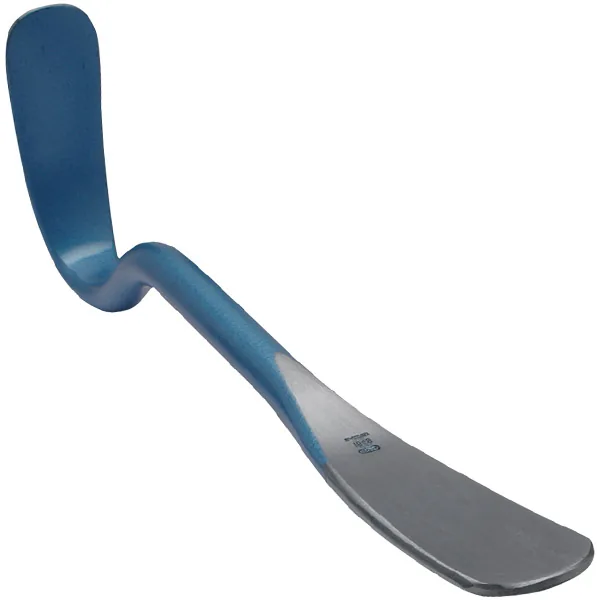
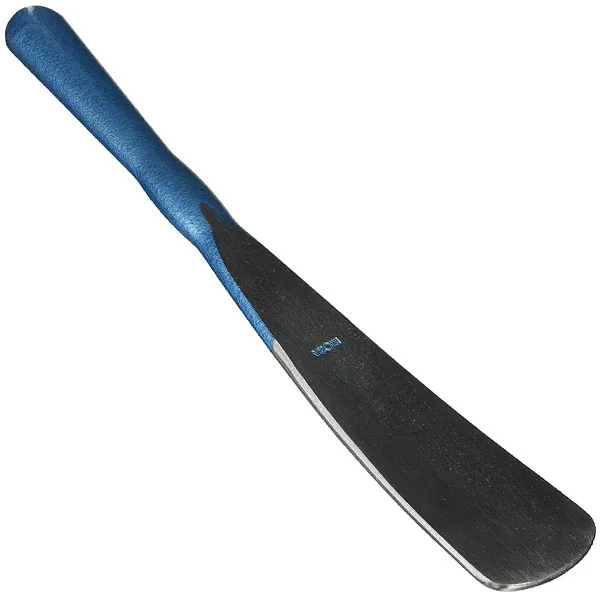
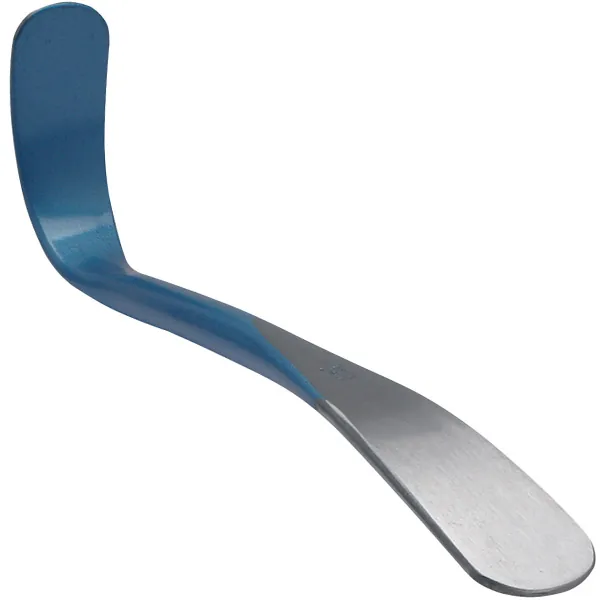
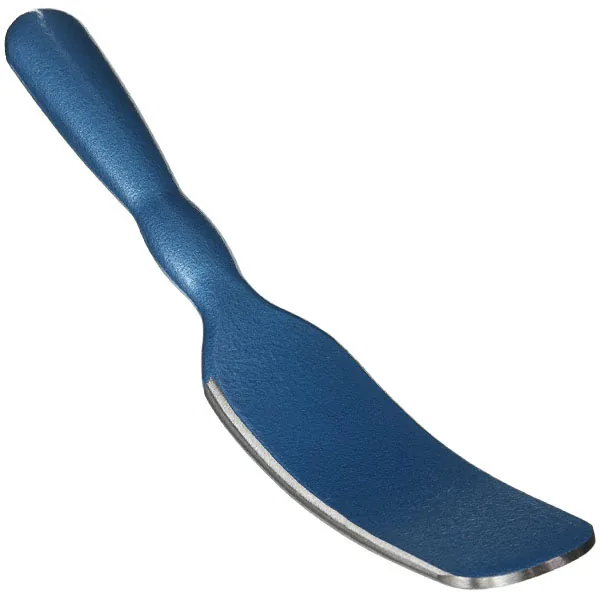
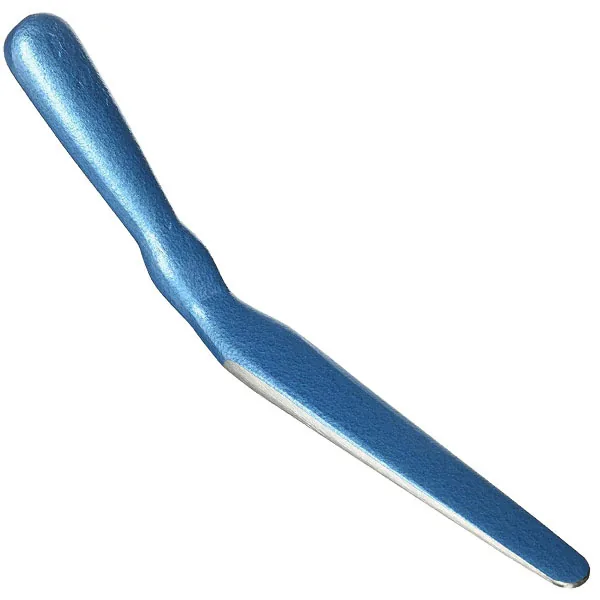
Body spoons and prybumping spoons are long metal spoon-like tools used to pry, push, and shape metal without direct hammering. Heavy body spoons like 1647 have large weight, designed to shape and create large curves on metal surfaces. This type is typically used when restoring severely deformed panels, requiring large force to push metal back into position. Light body spoons like 1645 with dimensions 270 x 30 x 18mm are lighter, suitable for thin panels or areas requiring gentle adjustment. Prybumping spoons like 1649 combine prying and pushing functions, helping technicians bend body parts back to original position after impact. Light prybumping spoons like 1648 have lighter weight, easier to control in tight spaces.

Chequered tightening spoons like 1646 have checkered surfaces, increasing friction when contacting metal, helping to pull or push panels without slipping. This tool is commonly used in body shops to maintain and repair body parts, especially when needing to tighten or stretch metal in a specific direction. Bending irons like 1651 combined with leather inserts are used to soften and bend metal or leather in craft projects. In the automotive industry, bending irons help create precise angles on metal bars or decorative trim. Spoon and bending iron tools complement hammers and dollies, expanding the ability to handle many different deformation types.

Manufacturing material and durability

C45 steel is a common material in manufacturing automotive body hammers and dollies. This steel has a medium carbon content of approximately 0.45%, providing moderate hardness and good impact resistance. When forged and heat-treated according to proper procedures, C45 steel achieves high tensile strength, not easily cracked or deformed under continuous hammer force. The working surface of hammers and dollies is typically ground smooth to reduce friction and avoid scratching the base metal. Some hammer models may have surface-hardened areas to increase lifespan, but not overly hardened as they will easily break under strong impact.

The rust resistance of C45 steel is moderate, requiring storage in dry environments and wiping clean after each use. If working in humid shops, a thin layer of anti-rust oil should be applied to hammer and dolly surfaces to prevent oxidation. Tool lifespan depends on usage frequency, striking technique, and maintenance practices. Hammers with chipped edges or deeply dented dollies need regrinding or replacement to ensure work quality. Regular inspection helps detect early signs of damage and extends overall tool lifespan.

How to choose suitable hammers and dollies for the job

Choosing hammers and dollies depends on panel type, dent location, and straightening technique. For flat or slightly curved panels, square or flat-head hammers like 1601 combined with flat dollies give good results. For complex curved areas like hoods or fenders, bumping hammers like 1607 or 1608 combined with dome or heel dollies help shape accurately. Small and deep dents need pointed-head hammers like 1609 to concentrate force on narrow points. Wide and shallow dents suit large round-head hammers like 1613 to distribute force evenly.

Newly starting shops should consider combo sets like 1650S12 to have sufficient basic tools. Shops already having some tools can purchase additional individual hammers or dollies according to specific needs. Experienced technicians typically prefer lighter hammers and smaller dollies to control force better, while new technicians may need heavier hammers to generate sufficient force. Testing on scrap metal samples before actual work helps familiarize with weight and hand feel when striking.

Basic usage techniques

Before starting, prepare a clean working surface, remove paint or coating if necessary so the hammer contacts the metal directly. Place the dolly close to the back surface of the dented area, hold firmly by hand or clamp if possible. Use the hammer to tap lightly from outside to inside in circles, each hammer blow spaced about one to two centimeters apart. Striking force should be moderate, avoiding hitting too hard causing metal stretching or creating new convex points. After each tapping round, check flatness by hand or straight edge to assess progress.

When using bumping hammers, gradual pushing technique is more important than hard striking. Place the hammer head on the dented area, gradually increase pressing force so the metal gradually rises. Combining with a dolly behind helps the metal not shift to one side. With spoons, place the spoon edge at the dent rim, use the hammer to tap lightly on the spoon body to transmit indirect force, reducing the risk of scratching the surface. After straightening, use a planishing hammer or fine sandpaper to flatten and smooth the surface before repainting.

Storage and maintenance

After each work shift, wipe hammers and dollies clean with a dry cloth to remove metal dust, oil, grease, and hand sweat. If there are stubborn stains, use mild cleaning solution and soft brush, then wipe dry immediately. Apply a thin layer of anti-rust oil on hammer and dolly surfaces if the shop has high humidity. Store tools in boxes or hanging racks, avoiding stacking that causes impact and chipping. Regularly inspect working surfaces, if dents, chips, or rust are found, regrind or replace as needed.

Hammer handles need checking for firmness, if loose or cracked need replacement to avoid accidents when striking. Severely deformed dollies should not continue to be used as they will transmit uneven force and damage panels. Proper maintenance helps tools maintain accuracy and extend lifespan, reducing replacement costs and ensuring stable work quality.

Applications in real repair situations

Small dents on car doors from light collisions can be handled with small round-head hammers and flat dollies, tapping from outside to inside until the surface becomes flat again. Large dents on hoods need combining bumping hammers and dome dollies, gradually pushing from center outward to avoid over-stretching. Fender areas with complex curves require fender bumping hammers and heel dollies, working small sections to maintain the original curve. When repairing door edges or panel ridges, prybumping spoons help pry gently without damaging surrounding paint.

In cases where panels are over-stretched after strong impact, planishing hammers are needed to flatten and gradually reduce tension. This technique requires experience to control force and avoid creating new weak points. With classic car restoration projects, recreating ribs or decorative curves requires combining many types of hammers, dollies, and spoons, working meticulously centimeter by centimeter. Each situation requires flexibility in tool selection and technique adjustment to achieve the best results.

The automotive body hammer product group provides all necessary tools for the straightening and restoration process of automobile body panels. Understanding the function of each hammer type, dolly, and support tool helps technicians choose the right equipment, improve work quality, and reduce repair time. Proper storage and maintenance ensure tools are always ready and extend service life.