Hotline: 096 779 3398 Email: [email protected]
45 SKUs

Extension bar

Showing 1-11 5 views

Square drive extension bar 1/4 inch, 3/8 inch, 1/2 inch, 3/4 inch and 1 inch extends the working range of sockets and ratchets, helping to reach bolts and nuts located deep or far from hand operation. Length from 35mm to 500mm meets narrow to wide working spaces. Chrome Vanadium material withstands load well in industrial environments. Some lines comply with DIN 3123, DIN 3120 or ISO 3316, compatible with international tool systems.

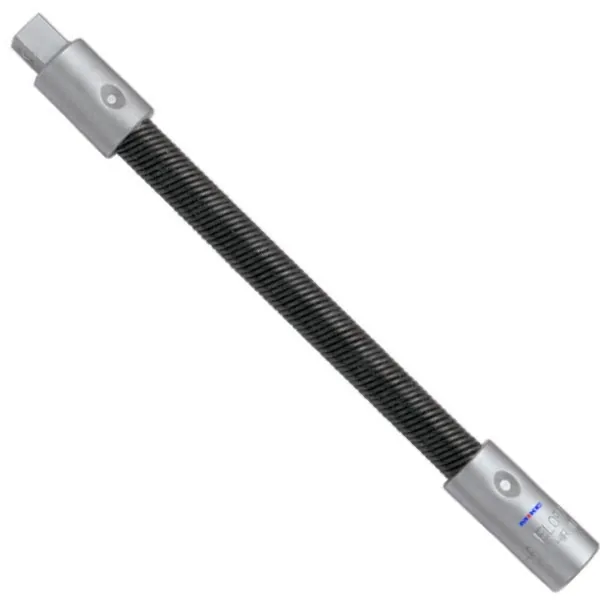
In addition to rigid types, there are flexible types with twisted steel cable body supporting difficult angles. Chrome or chrome nickel plated surface resists corrosion in wet conditions. Male end has wedge-shaped groove and ball detent to grip socket firmly, preventing slippage during tightening. Some codes are non-sparking with aluminum bronze alloy for oil and gas environments. Vinatools distributes genuine ELORA imported from Germany, with full warranty according to manufacturer's commitment.

Drag product cards to reorder this category. Release to save immediately.

Extension bars with 1/4 inch, 3/8 inch, 1/2 inch, 3/4 inch and 1 inch square drives extend the working range of sockets and ratchets, enabling access to bolts and nuts located deep or far from the operator's hand. Lengths from 35mm to 500mm accommodate narrow to wide working spaces. Chrome Vanadium material withstands loads well in industrial environments. Some lines comply with DIN 3123, DIN 3120 or ISO 3316, compatible with international tool systems.

In addition to rigid types, flexible versions with twisted steel cable shafts support difficult angles. Chrome or chrome-nickel plated surfaces resist corrosion in wet conditions. The male end features wedge-shaped cut grooves and a ball detent to grip sockets firmly, preventing slippage during tightening. Some non-sparking models use aluminum-bronze alloy for oil and gas environments. Vinatools distributes genuine ELORA products imported from Germany, with full warranty according to manufacturer commitments.

Extension bars play an important role in extending the working range of sockets and ratchets, enabling access to bolt and nut positions located deep or far from the operator's hand. This product group includes various square drive sizes such as 1/4 inch, 3/8 inch, 1/2 inch, 3/4 inch and 1 inch, meeting diverse needs from precision work to tasks requiring high torque.

Lengths range from 35mm to 500mm, allowing selection appropriate to specific working spaces. The primary manufacturing material is Chrome Vanadium, ensuring high durability and good load-bearing capacity in industrial environments. Some lines are manufactured to DIN 3123, DIN 3120 or ISO 3316 standards, ensuring compatibility with international tool systems.

In addition to traditional rigid types, there are flexible versions with twisted steel cable shafts, supporting access to difficult angles. Surfaces are typically chrome or chrome-nickel plated to resist corrosion, extending service life in wet conditions or chemical contact. The male end typically features wedge-shaped cut grooves and a ball detent, helping to grip sockets firmly, preventing slippage during tightening.

Some models are also designed as non-sparking using aluminum-bronze alloy, serving oil and gas or flammable chemical environments.

Classification by square drive size

Square drive size determines compatibility with sockets and ratchets, while also affecting the maximum torque that can be transmitted. Each size serves a distinct application range, from electronics assembly to heavy machinery maintenance. Selecting the correct size optimizes work efficiency and prevents tool damage.

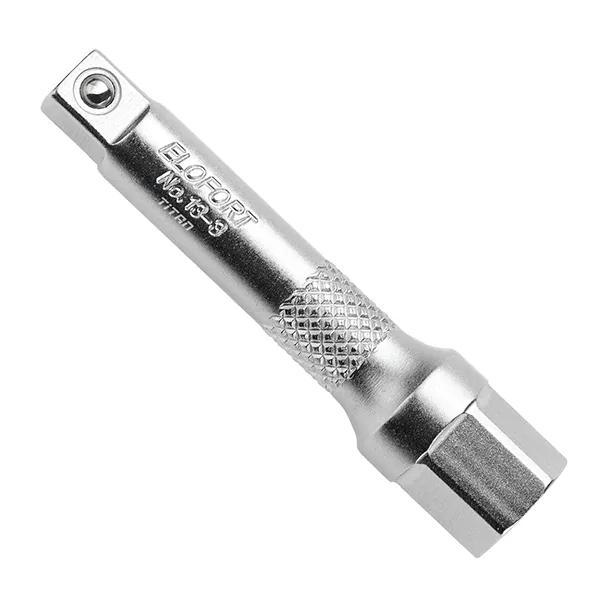
The 1/4 inch square drive is typically used for light work, electronics assembly or precision mechanical tasks. This group includes 1450- with lengths from 50mm to 150mm, Chrome Vanadium material, suitable for tightening small bolts and nuts in distant positions. The 13- line, 50-100mm long, complies with DIN 3123, with chrome-nickel plated surface for rust resistance. Notably, 1450-6 at 125mm length has a flexible twisted steel cable shaft, easy to bend for accessing angles, with both male and female ends at 1/4 inch. This type is useful when working in tight engine compartments or positions requiring flexible angle adjustment.

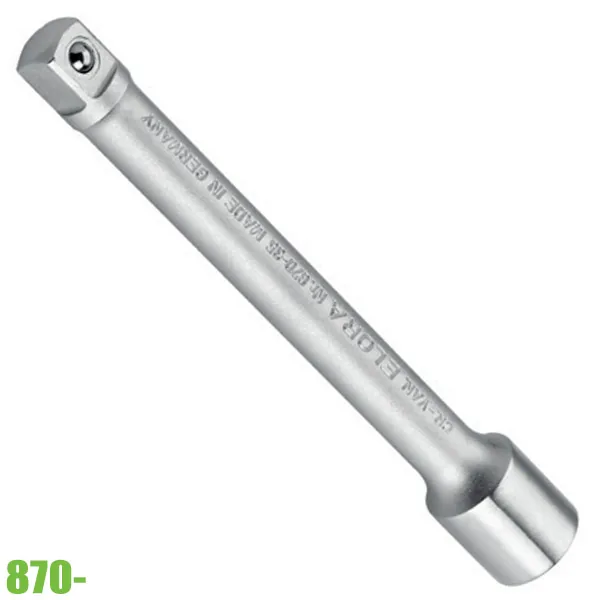
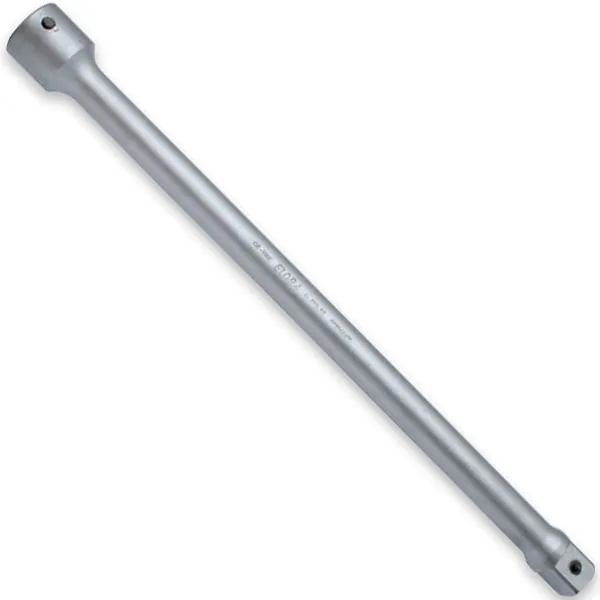
The 3/8 inch square drive balances compactness and load-bearing capacity, suitable for automotive, motorcycle or medium industrial equipment maintenance. The 870- classic-style line has lengths from 35mm to 500mm, providing many choices for different working spaces. The traditional design ensures high reliability, suitable for frequent repair environments.

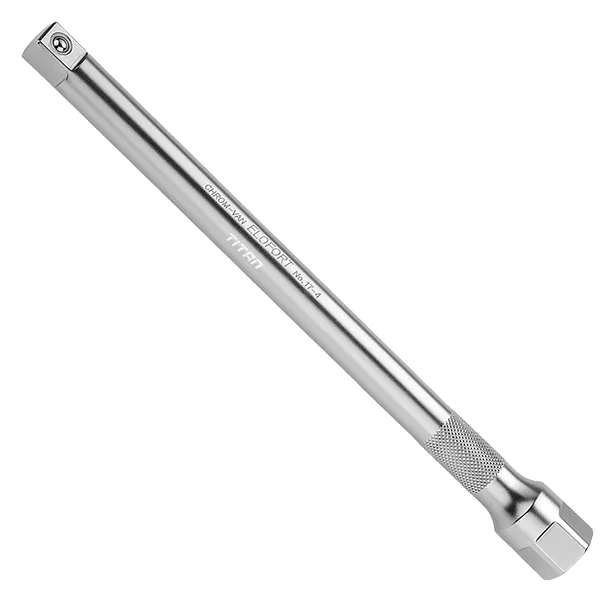
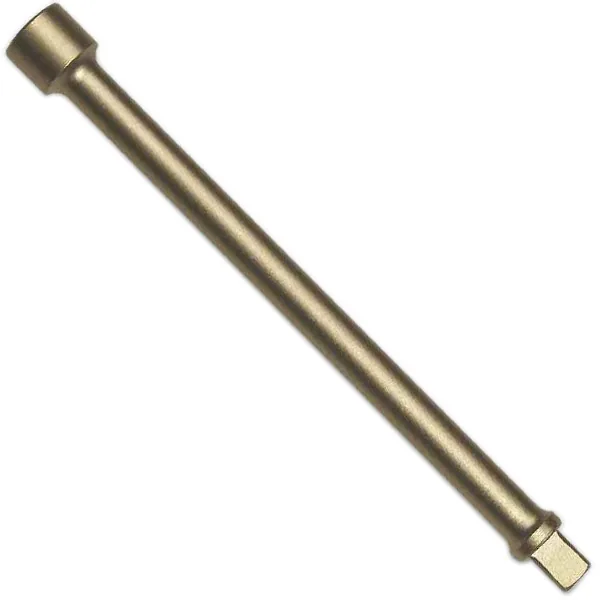
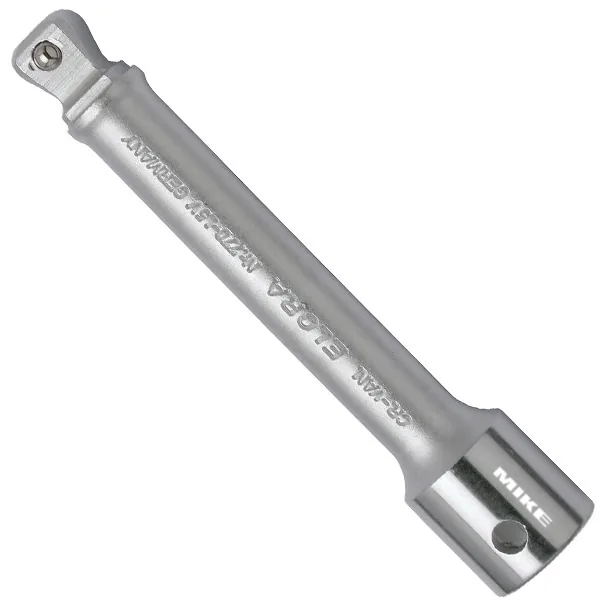
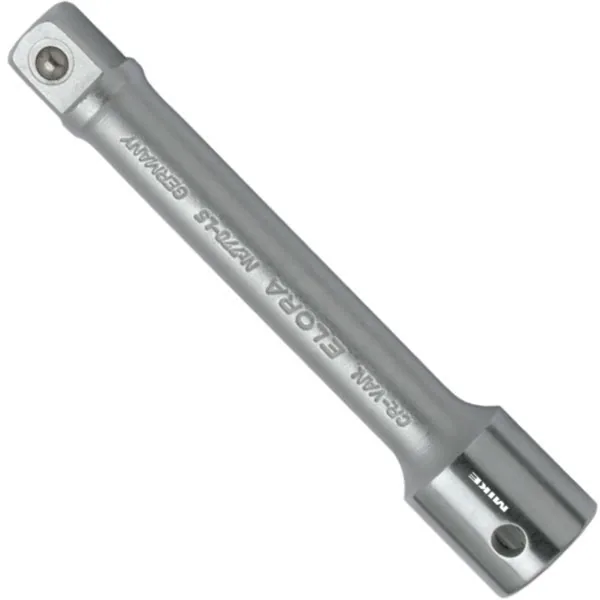
The 1/2 inch square drive is the most common size in industry, meeting most maintenance and assembly tasks. The 17- line at 125mm and 250mm lengths is made from Chrome Vanadium, complying with DIN 3123 Form D and ISO 3316, widely compatible with standard ratchets and sockets. Model 770-LV includes four sizes 75mm, 125mm, 150mm, 250mm, ELORA-Chrome-Vanadium 31CrV3 material, with male end featuring wedge-shaped cut grooves and ball detent to grip sockets securely. The 770-Lx line is also used for hand-operated sockets, manufactured in Germany with high quality. For oil and gas or flammable chemical environments, 042-AlBr at 100-250mm length is manufactured from non-sparking aluminum-bronze alloy, ensuring safety during operation.

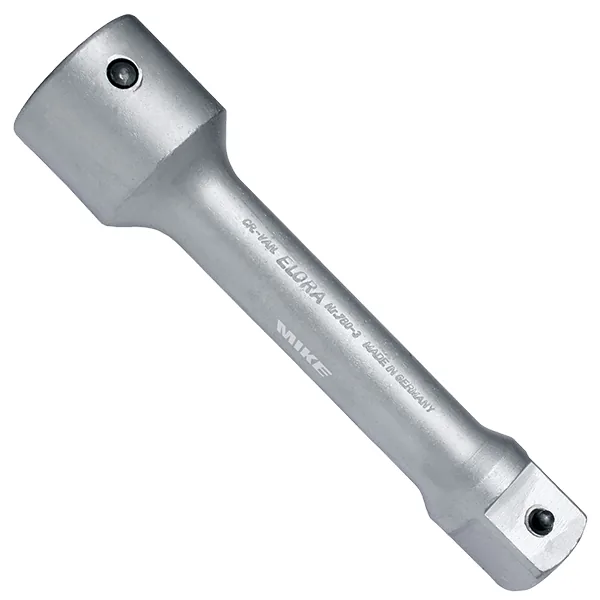
The 3/4 inch and 1 inch square drives serve heavy-duty work, requiring high torque such as steel structure assembly, construction machinery maintenance. The 770S line with 3/4 inch square drive has lengths from 100mm to 400mm, manufactured in Germany, meeting high durability standards. Model 780-3-4 with 1 inch square drive at 200-400mm length is made from Chrome Vanadium, complying with DIN 3120 and ISO 1174, used for hand-operated sockets of the same type. This large size withstands strong impact forces, suitable for heavy industrial environments.

Material and surface characteristics

Manufacturing material directly affects the durability, load-bearing capacity and service life of extension bars. Chrome Vanadium is a popular choice due to its balance between hardness, toughness and production cost. Surfaces are treated to resist corrosion, maintain appearance and extend service time in harsh conditions.

Most lines use Chrome Vanadium or variants such as ELORA-Chrome-Vanadium 31CrV3, ensuring high hardness and good torque-bearing capacity. Surfaces are typically chrome or chrome-nickel plated, creating a bright finish that resists rust when exposed to moisture or mild chemicals. This plating also facilitates easy cleaning, maintaining tool hygiene after each work shift. Some models have twisted steel cable shafts in the middle section, combined with Chrome Vanadium ends, providing high flexibility, allowing bending to access difficult angles.

For special environments such as oil and gas areas, flammable chemicals or coal mines, aluminum-bronze alloy is used for non-sparking properties. This material does not create sparks upon impact, reducing the risk of fire or explosion. However, hardness is lower than steel, so it should only be used within the permitted torque range, avoiding permanent deformation.

Drive end design and retention mechanism

Drive end design determines stability when coupling with sockets or ratchets, affecting force transmission efficiency and operational safety. The retention mechanism helps prevent socket slippage during tightening, especially when working in difficult positions or at high torque.

The male end typically features wedge-shaped cut grooves, creating a locking point with the square hole of the socket, increasing grip strength. Some lines incorporate a ball detent at the male end, automatically gripping the socket when installed, preventing drops when moving or working at height. This mechanism is particularly useful in rapid repair environments, reducing installation and removal time and increasing productivity. Both female and male ends have standard square sizes, ensuring compatibility with international tool systems according to DIN or ISO.

Some models have a classic-style design without ball detent, suitable for users accustomed to manual operation or low-vibration environments. This type is typically lighter, easier to maintain, but requires precise coupling skills to prevent socket slippage during tightening.

Applications by length

Extension bar length affects the ability to access work positions and flexibility during operation. Selecting the appropriate length helps optimize applied force, reduce hand fatigue and increase accuracy when tightening bolts and nuts in tight or deep spaces.

Short bars from 35mm to 100mm are suitable for work in automotive engine compartments, electrical cabinets or electronic equipment, where space is limited but access to distant positions is needed. This type maintains high rigidity, transmits force directly, with minimal deflection during tightening. Medium bars from 125mm to 250mm balance reach and stability, suitable for most industrial maintenance tasks, mechanical repairs. Long bars from 300mm to 500mm are used for deep positions such as tank bottoms, truck chassis or high steel structures, but attention must be paid to deflection when applying large forces, with additional support points recommended if possible.

Manufacturing standards and compatibility

Compliance with international standards ensures accurate dimensions, compatibility with tools from multiple manufacturers and reliability in industrial environments. Common standards include DIN 3123, DIN 3120, ISO 3316 and ISO 1174, specifying square hole tolerances, length, material hardness.

DIN 3123 applies to 1/4 inch and 1/2 inch square drives, specifying square hole dimensions, minimum length and durability requirements. Form D in DIN 3123 specifies drive end design, ensuring tight coupling with sockets of the same standard. DIN 3120 and ISO 1174 are for larger square drives such as 3/4 inch and 1 inch, requiring higher hardness to withstand greater torque. ISO 3316 specifies general compatibility for ratchet systems and accessories, enabling flexible combination between different brands.

Products manufactured in Germany typically comply with these standards, ensuring consistent quality and high service life. Checking the standard code on the extension bar body helps confirm compatibility before purchase, avoiding waste when coupling does not fit.

Selection and usage considerations

Selecting the appropriate extension bar requires consideration of square drive size, length, material and working environment. Proper use extends tool life, ensures safety and work efficiency. Regular maintenance helps maintain accuracy and prevent premature damage.

Before purchasing, identify the square drive size of existing sockets and ratchets, ensuring compatibility. Measure the distance from the position to be tightened to the hand placement point, select the appropriate extension bar length, avoiding too short to reach or too long causing deflection. If working in flammable environments, prioritize non-sparking types using aluminum-bronze alloy. Wet or chemical environments should choose chrome-nickel plated surfaces for better corrosion resistance.

When using, firmly install the socket onto the male end, check that the ball detent has gripped securely before tightening. Avoid applying force exceeding the permitted limit of the square drive size, which can easily cause deformation or breakage. With bars longer than 300mm, limit high torque tightening, additional support points should be provided to reduce deflection. After each use, wipe clean dust, dirt, grease, store in a dry place to prevent rust. Periodically inspect wedge-shaped cut grooves and ball detent, replace when worn to ensure safety.

This product group provides flexible solutions for many work situations, from precision assembly to heavy-duty maintenance. Selecting the correct size, length and material helps optimize efficiency, extend tool life and ensure operational safety.