Conventional Tools
 Tool bags and backpacks
 Spanner sets
 Universal bit sets
 Number & Letter punch
 Combination plier set
 Circlip pliers set
 Hexagon key wrench sets
 Torque multipliers
 Screwdriver set
 Socket sets
 Engineering hammer
 Steel Scribers
 Reversible ratchet
 Spanners
Slogging hammer
 Ratchet wrenches
Non-sparking spanner
 Torque wrenches
 Hook wrench
 Ratchet spanners
 Hack saws
 Copper and stainless steel pipe cutters
 Utility knife
 Socket adapters
 Screwdriver bits
 Extension bar
 Punches
 Wad punches
 Insulated tools
Non-sparking tools
 Engineering files
 Plastic pipe cutters
 Tin snips
 Multipurpose scissors
 Grip pliers
 Crimping pliers
Tool bags and backpacks
Spanner sets
Universal bit sets
Number & Letter punch
Combination plier set
Circlip pliers set
Hexagon key wrench sets
Torque multipliers
Screwdriver set
Socket sets
Engineering hammer
Steel Scribers
Reversible ratchet
Spanners
Slogging hammer
Ratchet wrenches
Non-sparking spanner
Torque wrenches
Hook wrench
Ratchet spanners
Hack saws
Copper and stainless steel pipe cutters
Utility knife
Socket adapters
Screwdriver bits
Extension bar
Punches
Wad punches
Insulated tools
Non-sparking tools
Engineering files
Plastic pipe cutters
Tin snips
Multipurpose scissors
Grip pliers
Crimping pliers


Measuring instruments
 Control plates
 Gas detector
 Parallel gauge block set
 Counter
 Caliper - Micrometer set
 Voltage detector
 Infrared Thermo Camera
 Electronic scale
 Magnetic Measuring Stands
 Engineering compass
 Thickness Gauges
 Dial Indicators
 Digital Dial Indicator
 Limit plug gauges
 Screw Pitch Gauges
 Setting Ring Gauges
 V-Block
 Handheld Magnifier
 Laser levels
 Wall thickness gauge
 Handheld meter
 Coating thickness gauge
 Gloss Meter
 Laser distance measurer
Control plates
Gas detector
Parallel gauge block set
Counter
Caliper - Micrometer set
Voltage detector
Infrared Thermo Camera
Electronic scale
Magnetic Measuring Stands
Engineering compass
Thickness Gauges
Dial Indicators
Digital Dial Indicator
Limit plug gauges
Screw Pitch Gauges
Setting Ring Gauges
V-Block
Handheld Magnifier
Laser levels
Wall thickness gauge
Handheld meter
Coating thickness gauge
Gloss Meter
Laser distance measurer


Carpentry tools
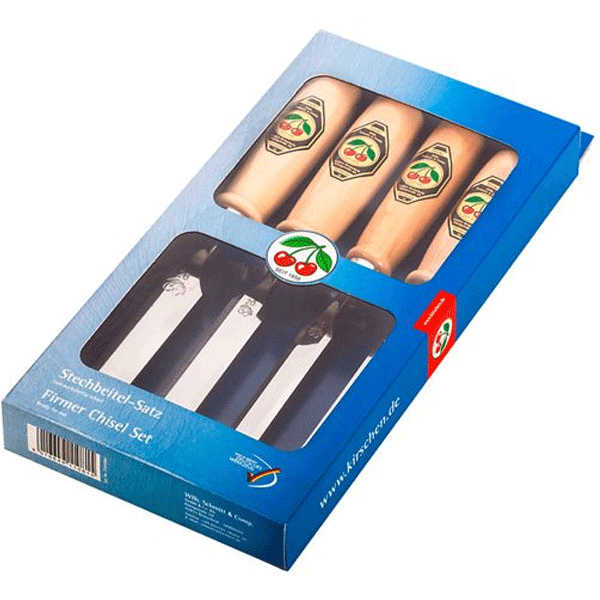
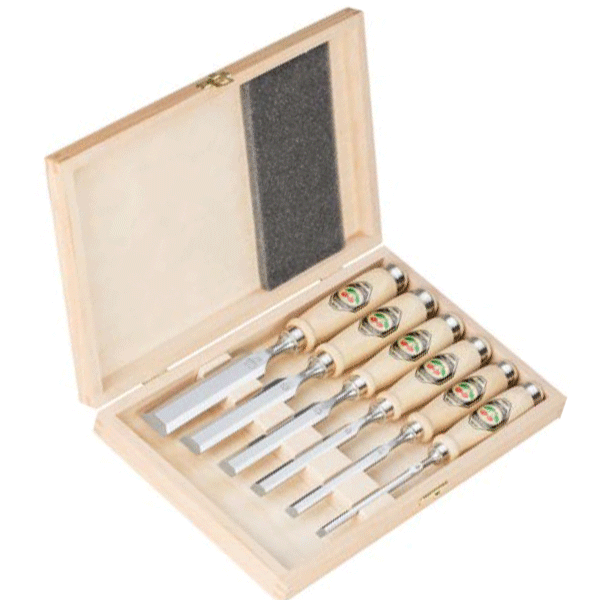
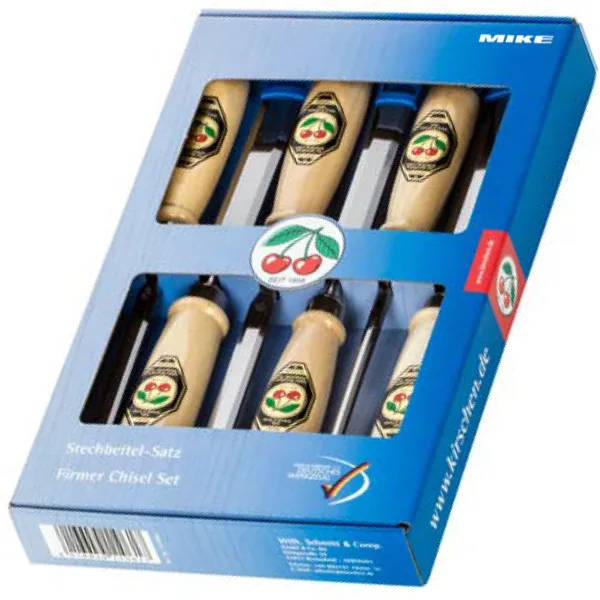
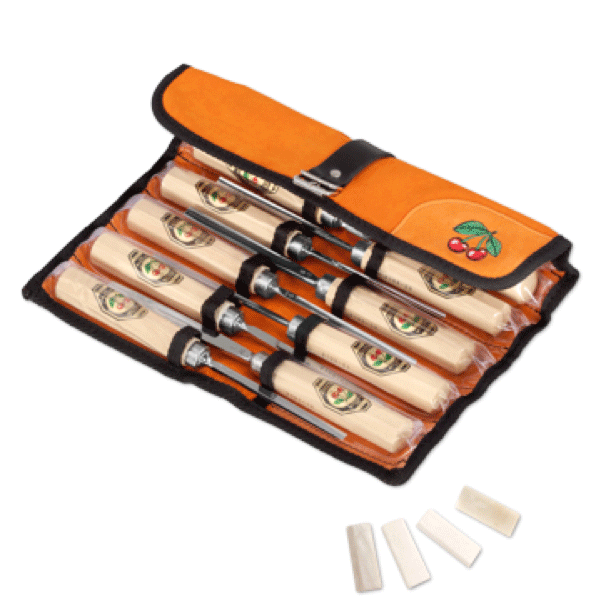
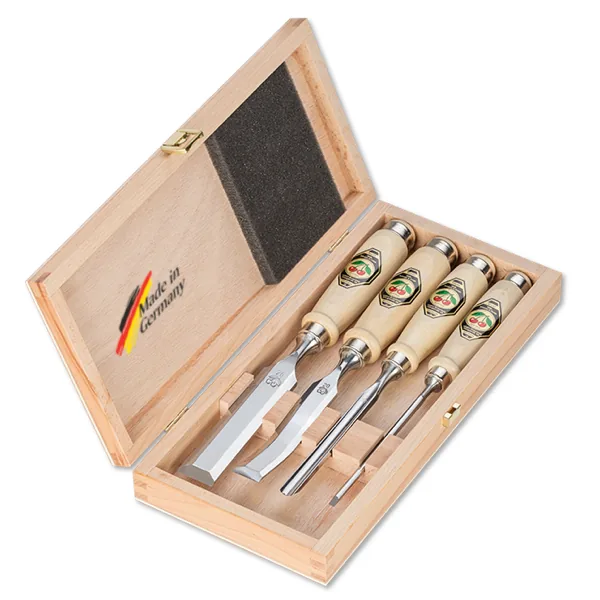
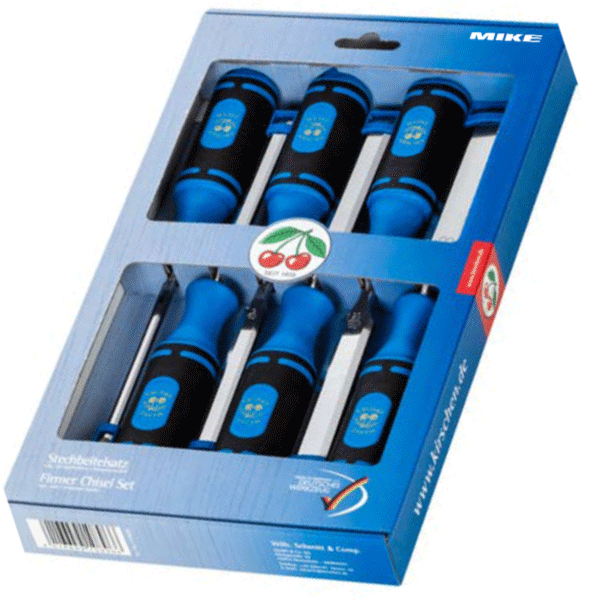
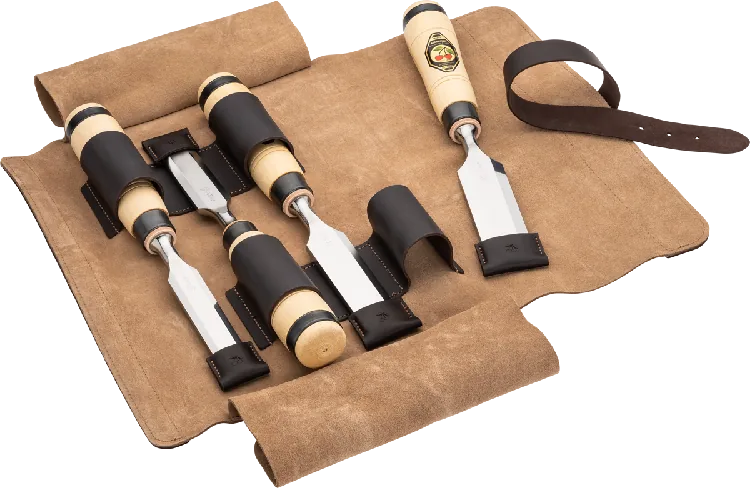
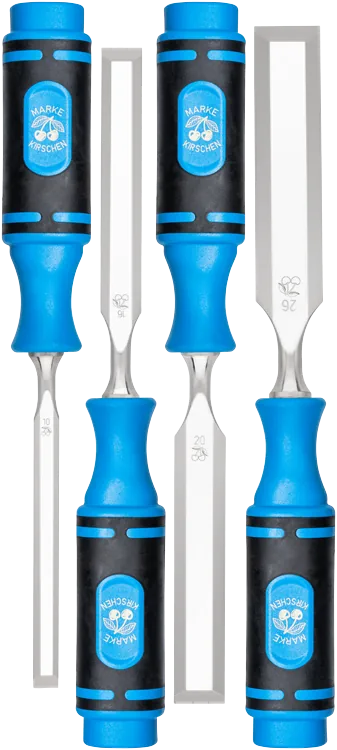
 Wood chisel sets
 Wood carving tool set
 Wood drill bit sets
 Auger bit set
 Wood router bit set
 F-clamp sets
 Carpenter mallets
 steel-clamps
 One-handed clamp
 Parallel clamp K-body
 Carpenter’s saw
 Wood carving tools
Wood chisel sets
Wood carving tool set
Wood drill bit sets
Auger bit set
Wood router bit set
F-clamp sets
Carpenter mallets
steel-clamps
One-handed clamp
Parallel clamp K-body
Carpenter’s saw
Wood carving tools


Accessories
 Cutter kit HSS
 Woodworking supplies
 Cutting oil
 Quick-change die heads
 Reducers
 Socket
 Cutting disk
 Gloves
 Wooden box
 Impact sockets
 REMS pressing tongs
 Bending formers
Cutter kit HSS
Woodworking supplies
Cutting oil
Quick-change die heads
Reducers
Socket
Cutting disk
Gloves
Wooden box
Impact sockets
REMS pressing tongs
Bending formers








Workshop Equipments
 Brushes and wire cup brushes
 workbench
 Tool Assortments
 Threading repair sets
 Metal drill bit sets
 Tap and die sets
 Univeral bearing pullers
 Hydrotest pump
 Lubrication Systems
 Hydraulic hand pumps
 Borescope
 2-jaw bearing puller
 3-jaw bearing puller
Bearing Splitters
 Internal extractors
 Nut splitters
 Drilling stand
 Hydraulic torque wrench
 Sharpening stones
 Hollow scraper
 Safety knives
 Torch - Flashlight
 Hydraulic punch set
 Cable pulling
 Pneumatic tools
 Bench Vice
 Pipe vices
 Hydraulic bench vice
 Inspection mirrors
 Display panel
 Clamping element for welding
 Rivet guns
 Pipe pressing machines
 Pipe cutting machines
Máy chấn ngang thủy lực
 Reciprocating saws
 Pipe soldering machines
 Butt welding machine
 Drilling machine
 Diamond core drilling machine
 Magnetic Drilling Machine
 Grinding manchine
 Pipe threading Machine
 Máy uốn đa năng
 Pipe bending machine
 Máy uốn ống CNC
 NC tube bending machines
 Bevelling Machines
Brushes and wire cup brushes
workbench
Tool Assortments
Threading repair sets
Metal drill bit sets
Tap and die sets
Univeral bearing pullers
Hydrotest pump
Lubrication Systems
Hydraulic hand pumps
Borescope
2-jaw bearing puller
3-jaw bearing puller
Bearing Splitters
Internal extractors
Nut splitters
Drilling stand
Hydraulic torque wrench
Sharpening stones
Hollow scraper
Safety knives
Torch - Flashlight
Hydraulic punch set
Cable pulling
Pneumatic tools
Bench Vice
Pipe vices
Hydraulic bench vice
Inspection mirrors
Display panel
Clamping element for welding
Rivet guns
Pipe pressing machines
Pipe cutting machines
Máy chấn ngang thủy lực
Reciprocating saws
Pipe soldering machines
Butt welding machine
Drilling machine
Diamond core drilling machine
Magnetic Drilling Machine
Grinding manchine
Pipe threading Machine
Máy uốn đa năng
Pipe bending machine
Máy uốn ống CNC
NC tube bending machines
Bevelling Machines